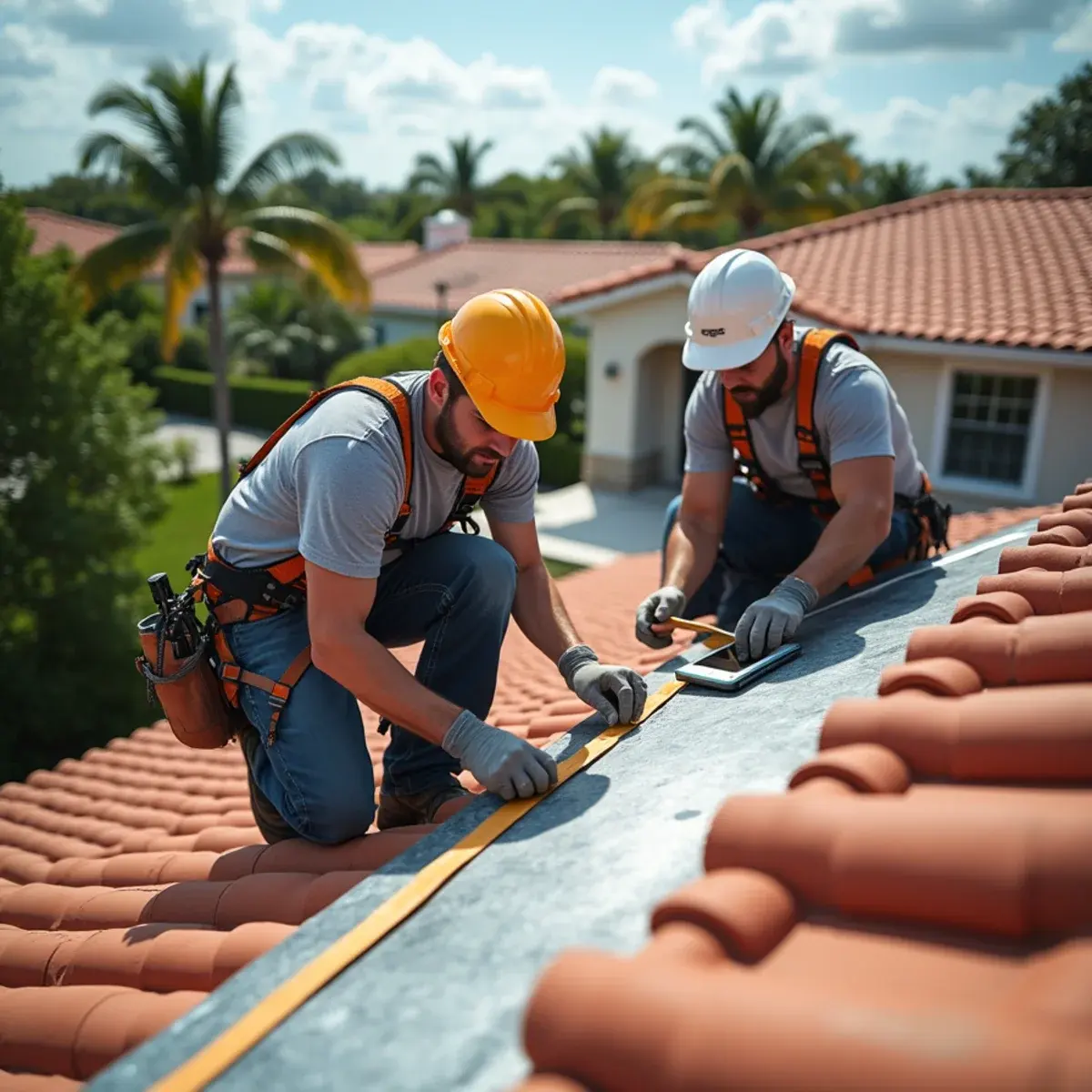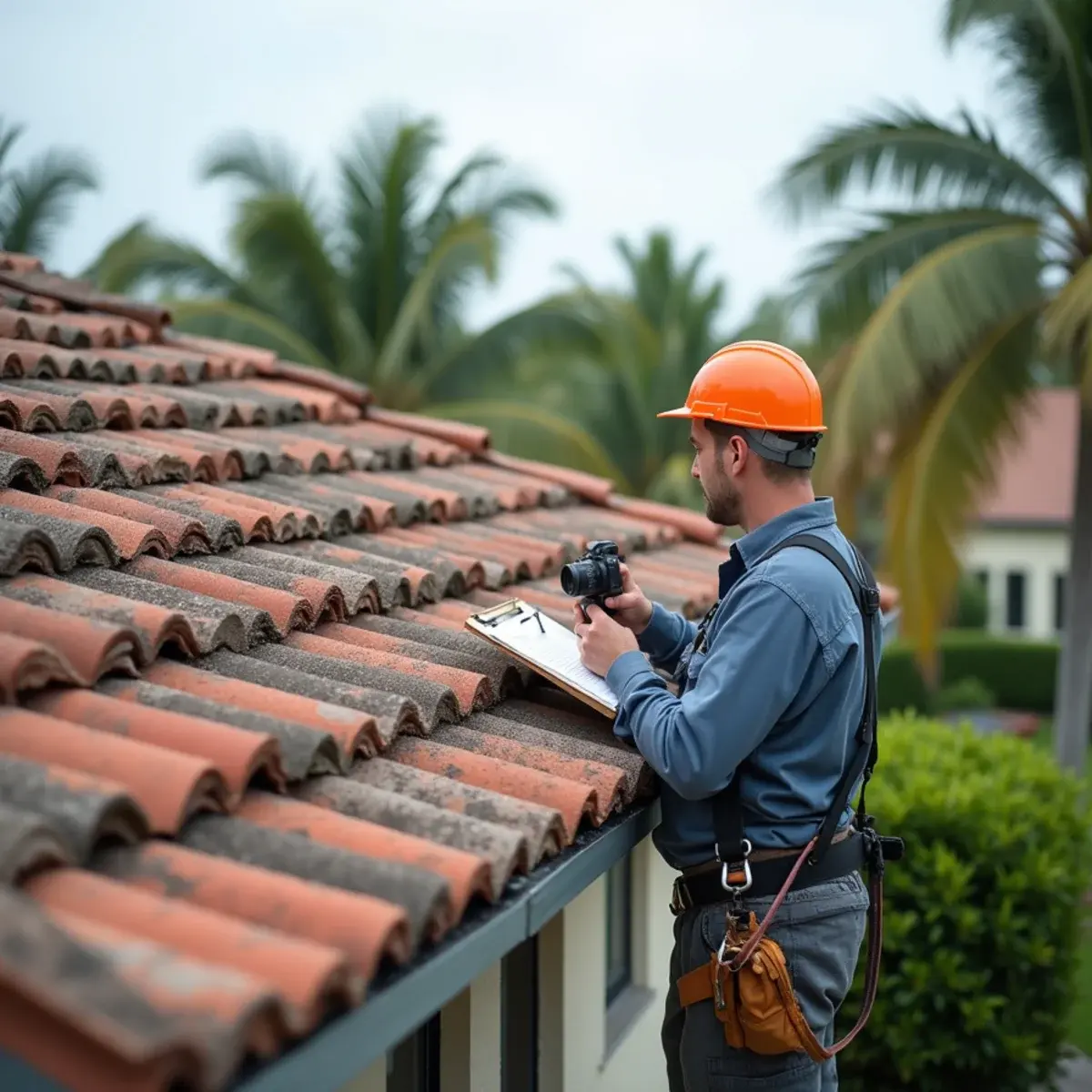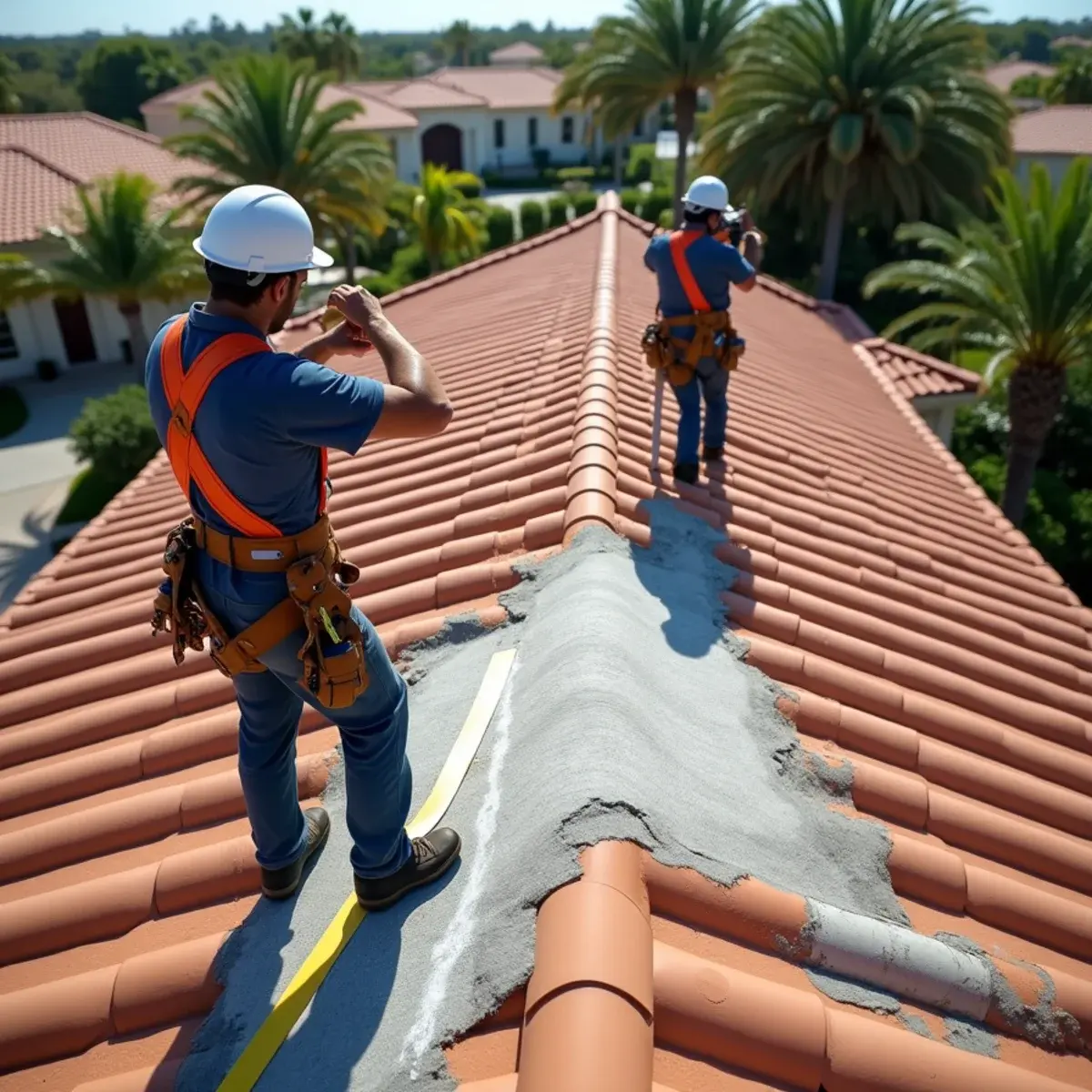
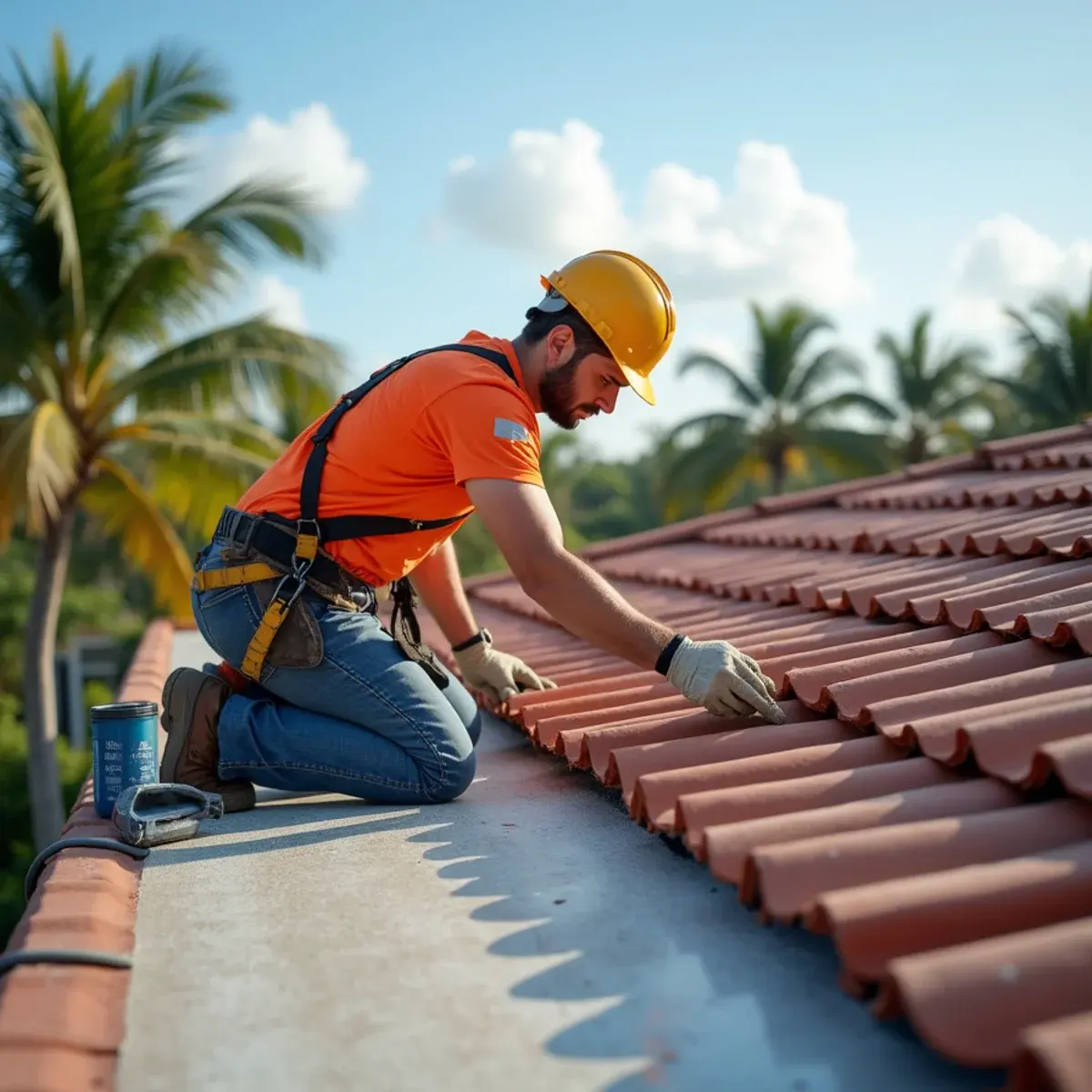
Caring for a tile roof in South Florida mostly means staying off it and watching it closely. Keep foot traffic to a minimum, skip high-pressure washing, keep valleys, gutters and branches clear, and look the roof over from the ground once a year and after big storms. The tile itself lasts for decades, but it cracks under a careless step, and the underlayment beneath it typically lasts 20 to 30 years.
Those simple habits help you catch slipped tile, cracked ridge mortar and debris dams early, while they are still small repairs. Here is what each one involves.
Why Walking on Tile Breaks It
Concrete and clay tile are strong when they are supported, but most of each tile sits over an air gap. A barrel or S-tile is hollow under its high curve, so a foot on the crown puts the whole load where nothing holds it up. Some cracks are obvious. Others are hairline breaks that only show up months later as a loose piece.
Many broken tiles in Boca Raton come from people who were on the roof for another job: AC technicians, satellite and solar installers, painters, pressure washers and holiday light crews.
If someone has to go up
- Step on the lower third of each tile, where it overlaps the tile below and is supported
- On barrel and S-tile, step on the flat pan near the bottom edge, never on the crown
- Use foam walk pads or boards to spread the weight
- Wear soft-soled shoes and stay off wet or algae-covered tile, which is slippery
- Keep out of valleys and off ridge and hip caps
The better rule is not to walk on it at all. Old clay tile, like the barrel tile in Old Floresta, is more brittle than concrete and often hard to match once broken. Ask anyone working near the roof to report tiles they crack so a roofer can replace them.
Pressure Washing vs Soft Washing
The dark streaks on South Florida tile are usually algae, and many associations expect roofs to be kept clean. How the roof is cleaned matters more than how often.
What high pressure can do
- Strip the color coating. Many concrete tiles have a colored surface layer. A pressure wand can wear it away and leave a blotchy, faded roof that no longer matches the HOA's approved color.
- Force water past the laps. Tile sheds water that runs downhill. A jet aimed upward drives water under the tiles, onto the underlayment and around fasteners.
- Break tile. The wand, the hose and the person walking the roof all crack tiles.
Soft washing
Soft washing applies a cleaning solution at low pressure, lets it work and rinses it gently. It removes algae with less force and less foot traffic. Plants below should be wet down and protected. Check the tile maker's care guidance if you know the product, and look the roof over after any cleaning for broken pieces.
"Low pressure" means close to garden-hose force, a small fraction of what a pressure washer puts out. If a cleaning company talks about the PSI of its machine, ask what it uses on tile specifically, and whether it carries insurance for breakage.
Should concrete tile be sealed?
Some companies sell clear sealers or color coatings after a cleaning. A sealer can slow algae regrowth for a while, but it has to be reapplied, it can change the tile's sheen, and a color coating changes how the roof looks next to your neighbors'. In an HOA community, check the architectural rules before coating anything, and ask the tile maker whether a product affects its warranty.
A Yearly Check You Can Do From the Ground
Once a year, ideally before the June to September wet season, walk around the house with a pair of binoculars. Look for:
- Cracked, chipped or slipped tiles, and gaps in the rows
- Cracked or missing mortar on the ridge and hip caps
- Leaves and palm debris built up in the valleys
- Full or sagging gutters and downspouts
- Rust streaks on valley metal and drip edge, more common near the coast
- Stains or soft wood on the soffit and fascia
Then look inside. Check ceilings for new spots, and if you can reach the attic safely, use a flashlight to look for daylight, damp decking or stained wood.
After big storms
Once the weather has cleared, repeat the same check from the ground. Look for tile pieces in the yard, shifted ridge caps and debris on the roof, and compare with last year's photos. Stay off the roof and let a roofer go up if something has changed.
Valleys, Gutters and Trees
Valleys carry more water than any other part of a tile roof. When leaves pile up in them, water backs up behind the debris and spreads sideways under the tile, straight onto the underlayment. Clearing valleys is a job for a roofer or a careful ladder at the eave, not a walk across the tile.
Clean gutters before the wet season and again after heavy leaf drop. Live oaks shed in spring, and palms drop fronds and seed pods all year.
Trim branches so they do not touch or hang over the roof. A common guideline is to keep at least six feet of clearance. Branches scrape and crack tile in wind, drop debris into valleys and keep the roof shaded and damp, which feeds algae.
Ridge and Hip Mortar
Many older concrete tile roofs in Boca Raton have ridge and hip caps set in mortar. Years of heat and rain make that mortar shrink and crack, and caps can work loose. Newer roofs may use other attachment methods set by the product approval, so not every ridge is mortar.
Hairline cracks are a routine maintenance item. Missing chunks, caps that move or mortar lying on the roof below mean the caps need to be reset. Ridge and mortar work is part of tile roof repair in Boca Raton, and the roofer matches the mortar color to the existing roof.
When to Call a Roofer
Call when the yearly check turns up any of these:
- More than a couple of cracked or slipped tiles
- Loose ridge or hip caps
- Underlayment showing through a gap in the tile
- New stains on ceilings or soffits
- A roof past 20 years that needs repairs more often
That last point matters most. The tile can outlast the underlayment by decades, and our article on how long tile roof underlayment lasts explains the signs of age. When the underlayment is worn but the tiles are sound, tile roof underlayment replacement lifts the tile, renews what is underneath and puts the tile back.
The pattern is familiar in older communities north of Boca Raton. In Boynton Beach, 1960s neighborhoods such as Leisureville and Sterling Village have been reroofed more than once, and our Boynton Beach roofing page covers what owners there are seeing.
A Maintenance Calendar From People Who Climb These Roofs
Roofers see the same avoidable problems over and over on Boca Raton tile roofs. Most come from skipped basics, not from the tile itself. This is the schedule we would keep on our own houses.
| Task | How often | Who |
|---|---|---|
| Look over the roof from the ground with binoculars | Twice a year: before and after the June to September wet season | You |
| Clear gutters and downspouts | Two to four times a year, more under oaks and palms | You or a gutter service, from a ladder, not the roof |
| Clear valleys of leaves and seed pods | Once or twice a year | A roofer or experienced cleaner |
| Trim branches back from the roof | Yearly, before the wet season | Tree service |
| Soft wash for algae | Every few years, when streaks appear | Insured roof cleaner |
| Check ridge and hip caps and flashing at vents, skylights and walls | Every year or two, and after a major storm | Roofer |
| Professional underlayment check | Around 15 to 20 years, then every few years | Roofer |
Watch for trade crews
A surprising share of broken tiles come from people who weren't there for the roof: satellite, solar, AC and gutter installers. Ask any trade that needs roof access how they will protect the tile, and walk the yard afterward looking for pieces on the ground.
The flashing nobody looks at
Pipe boots, skylight flashing and the joint where tile meets a wall or a flat roof age faster than the tile. A crack there causes more water damage than several broken tiles in the middle of a slope.
Frequently asked questions
Can I walk on my tile roof to clean the gutters?
It is better not to. Tile cracks easily under foot, especially on the high curve of barrel and S-tile, and wet or algae-covered tile is slippery. Clean gutters from a ladder at the eave instead. If someone must walk the roof, they should step only on the lower third of each tile and use foam pads to spread the weight.
How often should a tile roof be cleaned in South Florida?
There is no fixed schedule. Many owners clean when algae streaks become noticeable or when the HOA asks, often every few years. Shade, nearby trees and the tile color all affect how fast streaks return. Soft washing at low pressure is gentler on the color coating and the tile than high-pressure washing, and it means less foot traffic on the roof.
Should I seal my concrete roof tiles?
It's optional, not required maintenance. A clear sealer can slow algae for a while but needs reapplying and can change the sheen, and a color coating changes how the roof looks. In an HOA community, check the architectural rules first, and ask the tile maker whether a coating affects its warranty.
How often should a tile roof be inspected?
Look it over yourself from the ground at least once a year, ideally twice, before and after the June to September wet season, and again after any major storm. A roofer's closer look makes sense when your check turns up cracked tile, loose ridge caps or stains, and more regularly once the roof is past about 15 to 20 years, when the underlayment is nearing the end of its typical life.
The bottom line
A tile roof in South Florida needs little hands-on care. Keep people off it, clean it gently, keep valleys, gutters and branches clear, and look it over once a year so small problems stay small.
If your yearly check turns up something you want a professional to see, call Boca Tile Roof Repair at (773) 207-0769. We answer 24/7, and every roofer we send is licensed and insured in Florida.