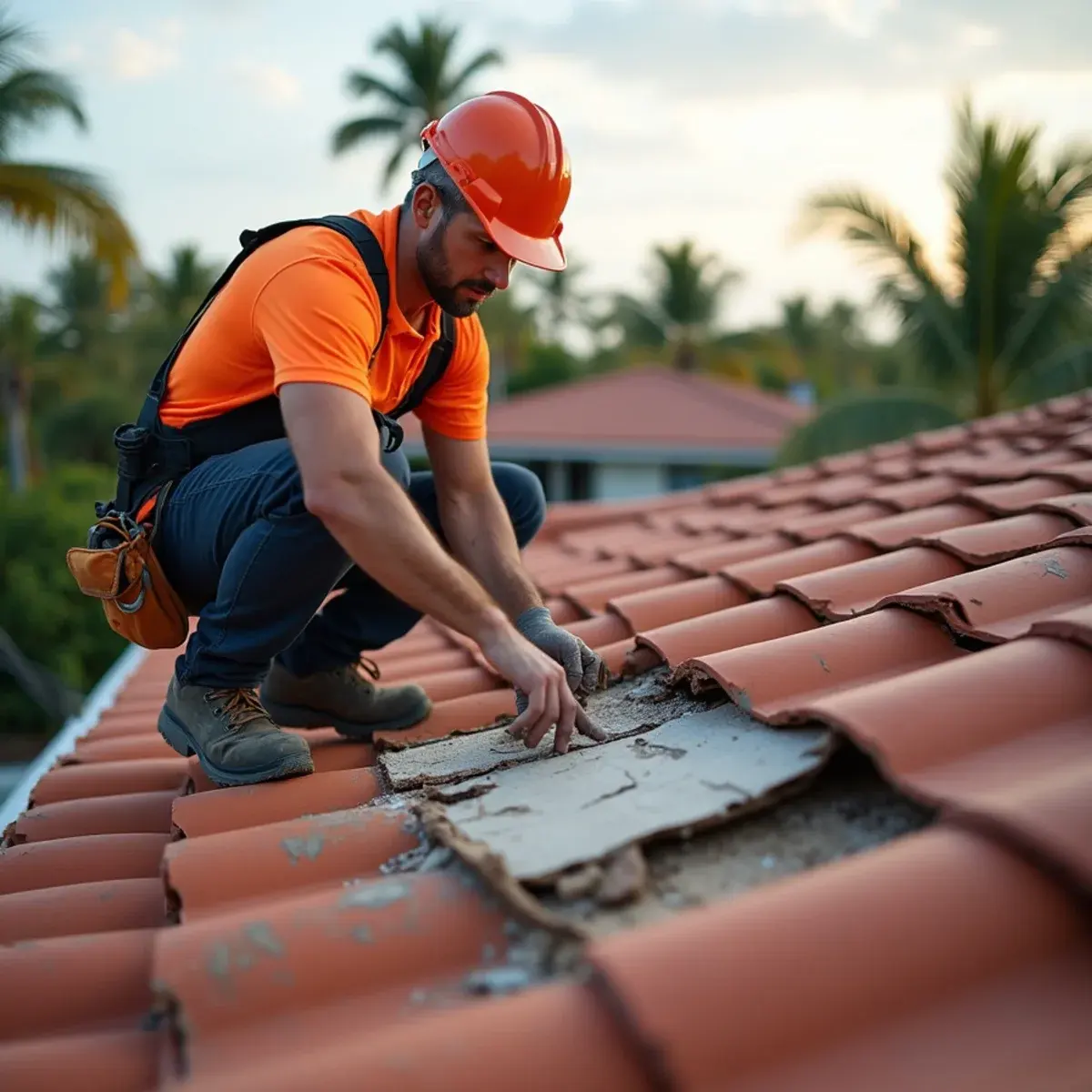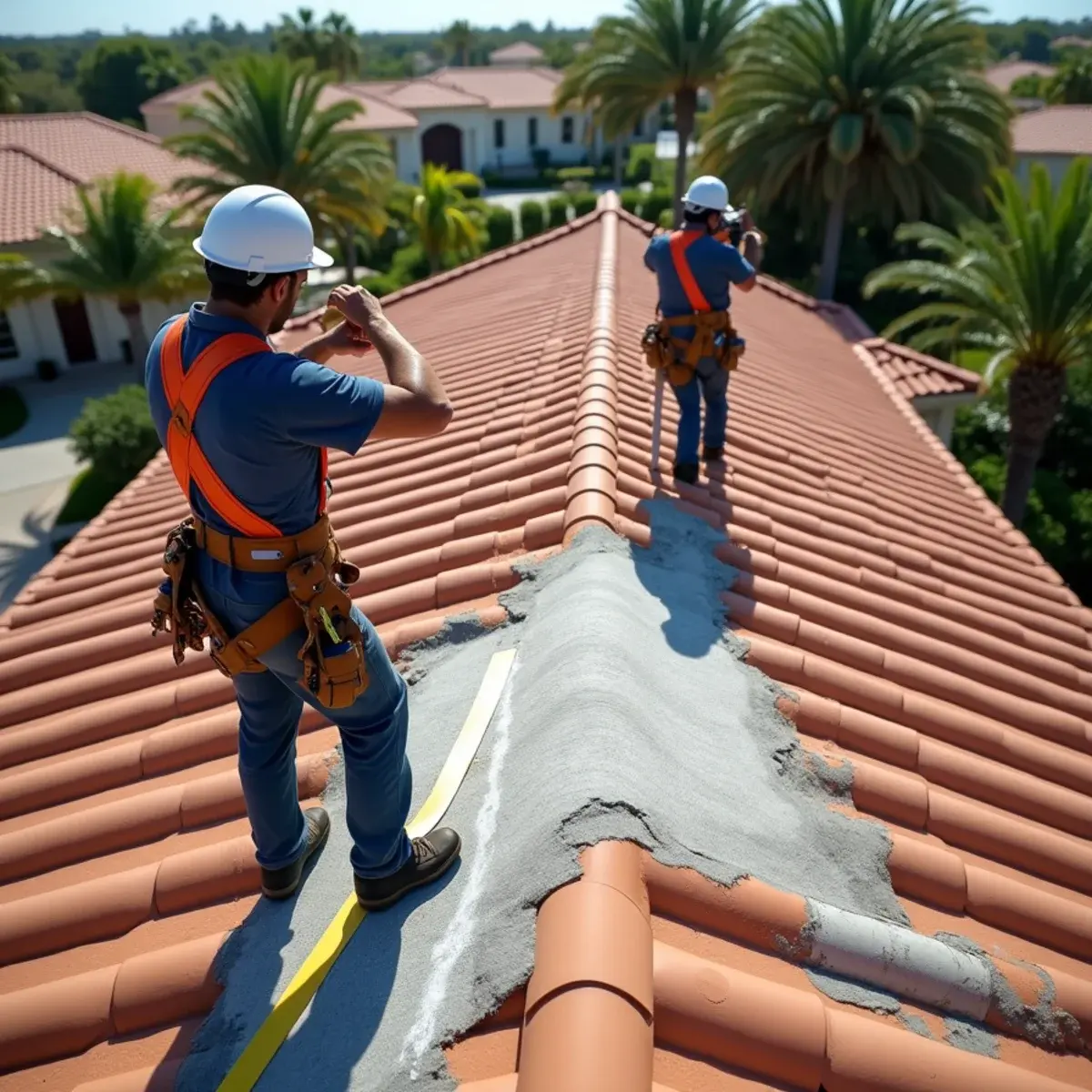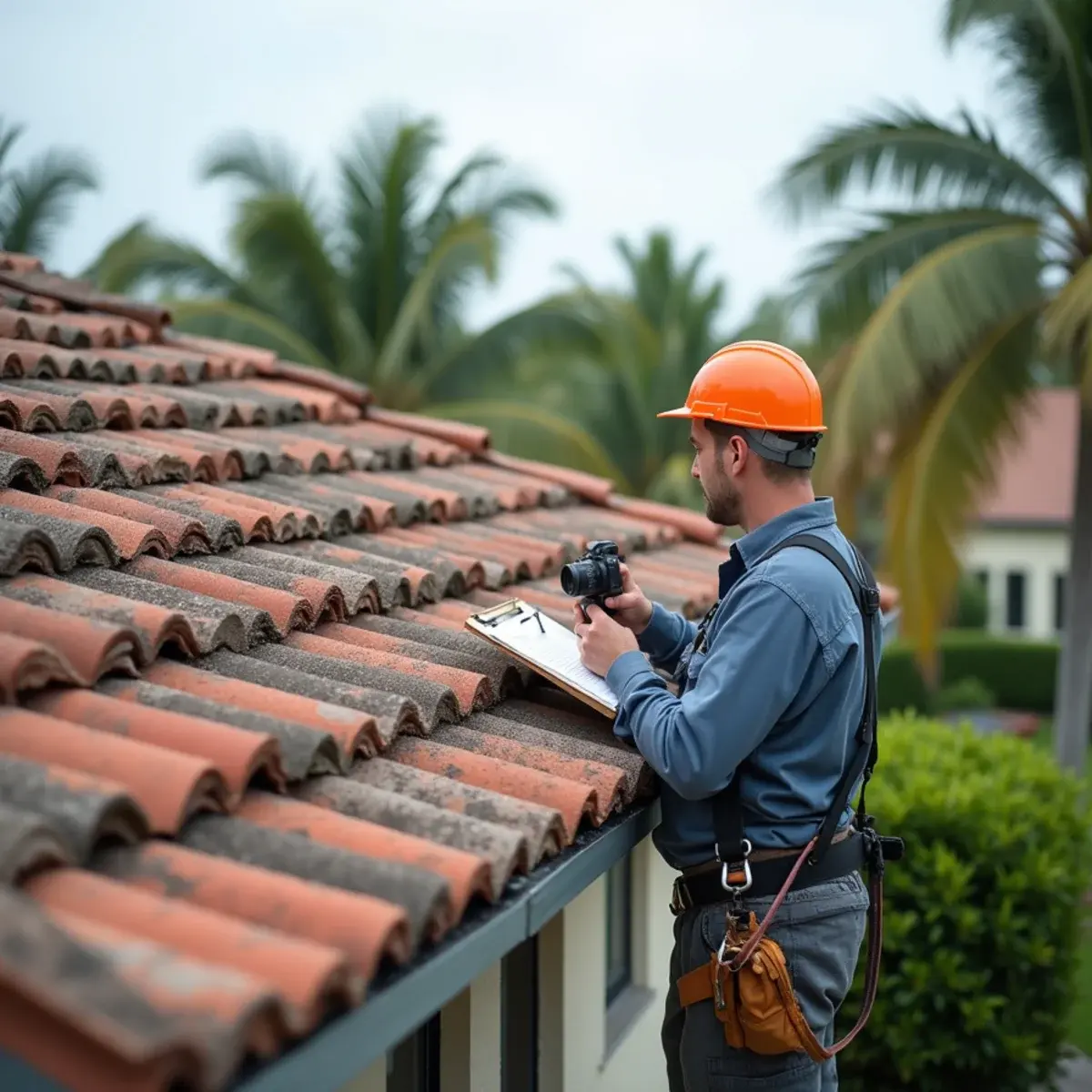
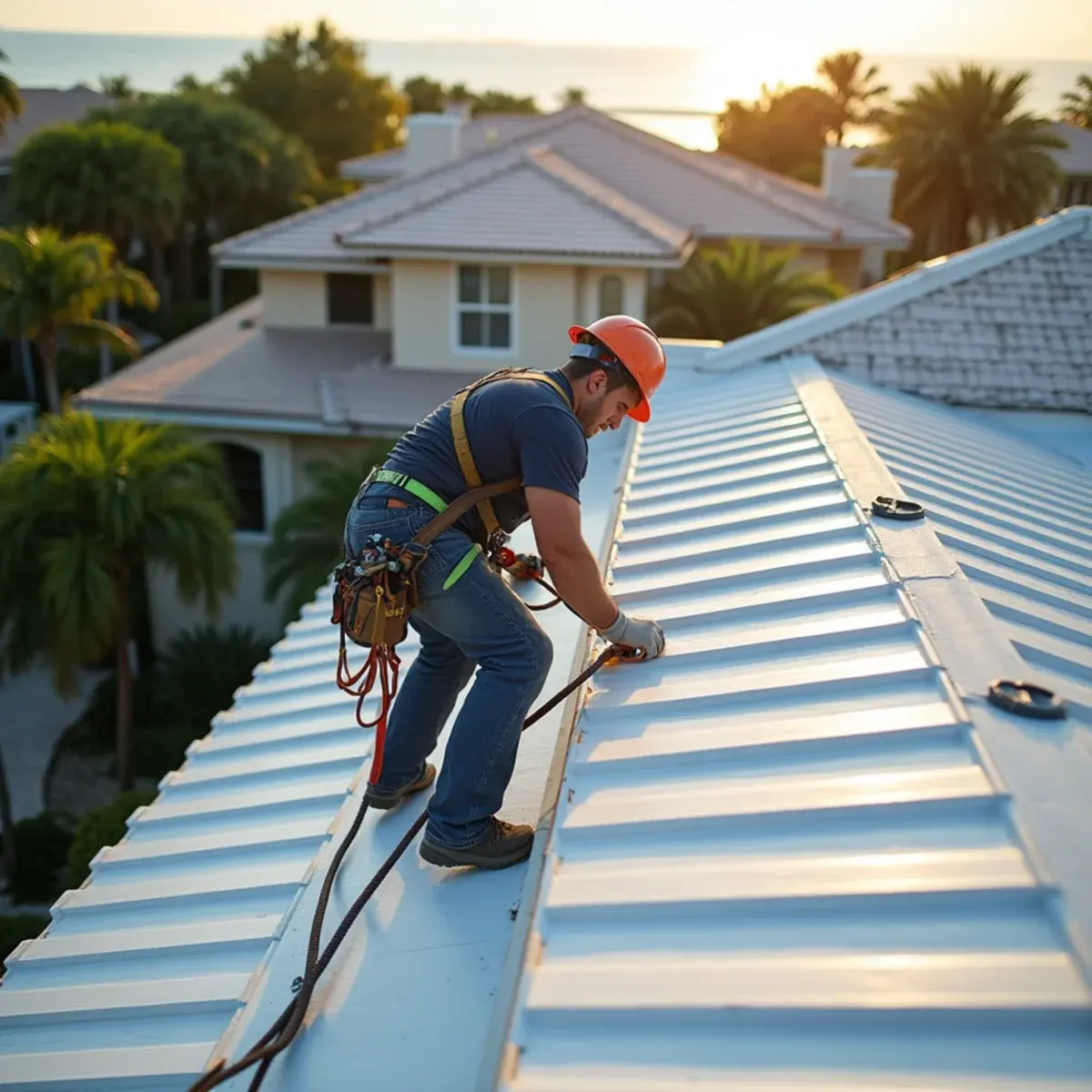
Metal roof repair in Boca Raton usually comes down to a few parts: screws that have backed out, washers and sealant that the sun has dried out, trim that has worked loose, and rust where salt air or mixed metals attack the panels. Most of these are repairable without replacing the roof. Boca Tile Roof Repair answers 24/7 and sends a local roofer who checks the panels, fasteners and flashing and prices the repair in writing. Every roofer we send is licensed and insured in Florida.
Metal is a smaller share of roofs here than tile, but it is growing as owners replace aging tile roofs, so more Boca Raton homes now need roofers who know it.
Metal Roof Problems: Backed-Out Fasteners, Failed Sealant, Loose Trim and Oil Canning
Metal panels themselves last a long time. The trouble usually starts in the small parts that hold them down and seal them.
Backed-out fasteners and worn washers
Metal grows and shrinks with every hot day and cool night. On exposed-fastener panels, that movement slowly works screws loose, and the rubber washer under each head dries and cracks in the sun. A raised screw or a cracked washer is an opening in the roof.
Failed sealant
Laps, ridge closures, trim and pipe flashings rely on sealant or butyl tape that breaks down with heat and UV. Once it pulls away, wind-driven rain gets under the metal.
Loose trim
Rake trim, eave trim and ridge caps catch the wind. If their fasteners loosen, the trim lifts, rattles and can tear away the panel edge with it.
Oil canning
Oil canning is a visible waviness in the flat areas of a panel, caused by stress in the metal, an uneven deck or tight fastening. It is usually cosmetic and does not by itself let water in. The roofer can tell you if it signals a deeper fastening problem.
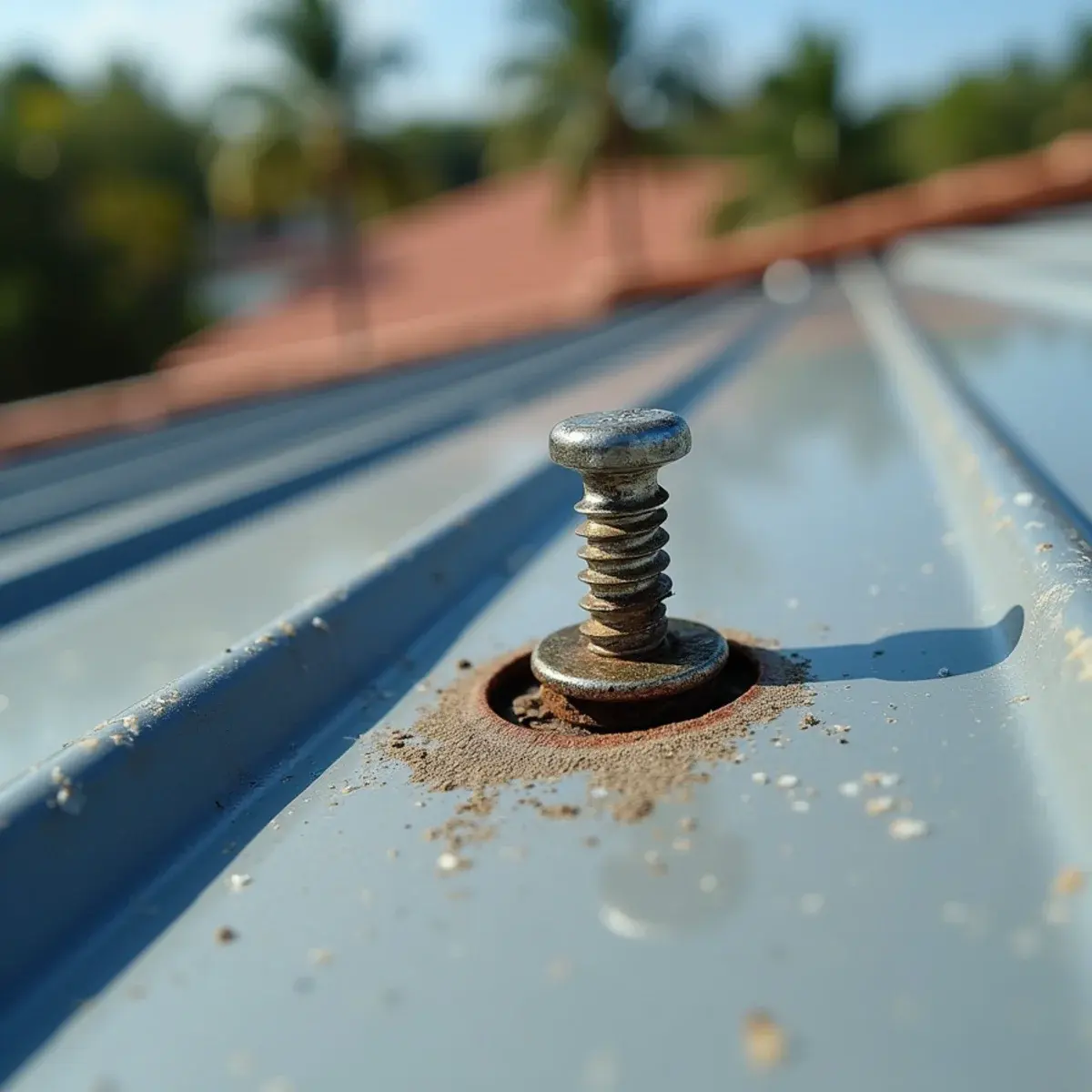
Salt Air and Corrosion: Aluminum vs Steel Panels Near the Coast
Metal roof rust is the biggest concern east of the Intracoastal and along A1A, where salt spray settles on the roof daily.
| Aluminum | Galvalume-coated steel | |
|---|---|---|
| Rust | Does not red-rust; forms a protective oxide | Coating protects the steel, but cut edges and scratches can rust |
| Near salt water | Usually the preferred choice on the coast | Better suited to inland homes; check warranty limits near salt water |
| Strength | Softer, dents more easily | Stiffer and more dent-resistant |
| Movement | Expands and contracts more with heat | Moves less |
| Price | Usually costs more | Usually costs less |
Fasteners and mixed metals
Corrosion often starts at the fasteners, not the panels. Fasteners should match the panel, such as stainless steel with an aluminum roof. When different metals touch, or water runs from copper or bare steel onto aluminum, galvanic corrosion eats the weaker metal.
Warranty fine print
Many steel panel warranties limit coverage within a set distance of salt water. Ask your roofer to check the terms of the exact product before choosing it for a coastal home.
Finish and gauge matter for repairs
Most painted metal roofs here carry a PVDF finish (often sold under the Kynar 500 name), which holds color and resists chalking better than cheaper polyester paints. Panel thickness is described by gauge: 24 gauge is thicker and stiffer than 26, and aluminum is specified by thickness in inches. A replacement panel or trim piece should match the original metal, finish and gauge, both for looks and to avoid galvanic corrosion where different metals touch. Mill-finish (unpainted) Galvalume weathers differently again. Note what's on your roof from the original invoice or a panel marking before ordering parts.
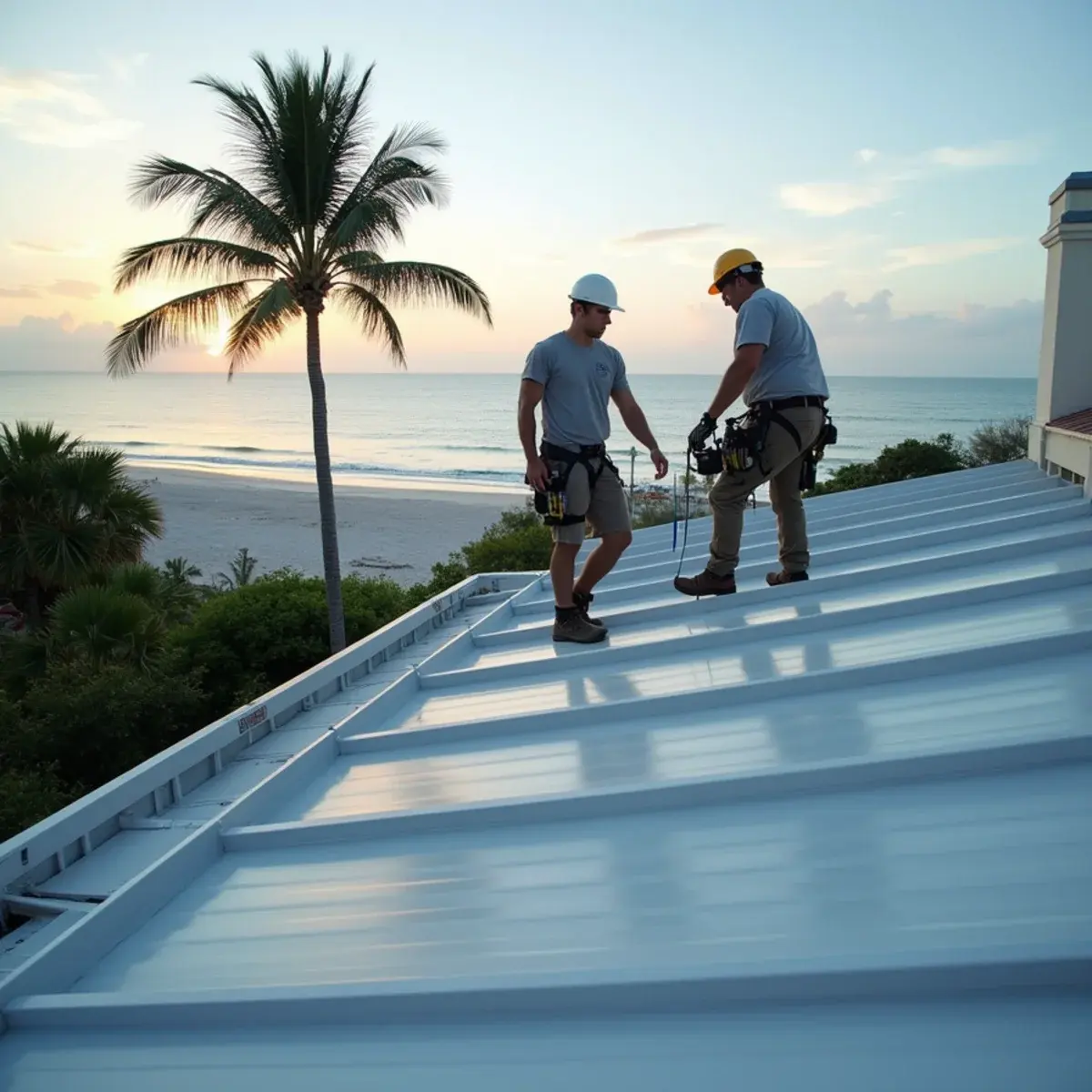
Standing Seam vs Exposed-Fastener Panels: Different Repairs
The panel system decides what a repair looks like.
Standing seam
On a standing seam roof, panels run from ridge to eave with raised seams that lock together over hidden clips. No screws go through the panel face, which makes it the cleanest and most weather-resistant system. Standing seam roof repair usually means resealing panel ends and ridge closures, re-crimping an opened seam, or replacing clips. Replacing a whole panel is harder, because it has to be unlocked from both neighbors along its full length.
Exposed-fastener panels: 5V crimp and R-panel
- 5V crimp is the traditional Florida metal roof, with five V-shaped ribs, found on older cottages and some new coastal homes.
- R-panel has taller trapezoid ribs and shows up on garages, outbuildings and some homes.
Both are screwed through the face. Repairs focus on replacing worn screws and washers, resealing laps, and swapping out single damaged panels, which is simpler than on standing seam.
Screws should be driven snug, not overdriven, since a crushed washer fails as fast as a dried one.
Flashing, Ridge and Penetration Repairs on Metal Roofs
Most repairs on a sound metal roof happen at edges and openings.
Ridge and hip caps
Ridge caps sit on foam closures shaped to the panel ribs. When the closures shrink or the cap fasteners loosen, wind can push water and insects in. Vented ridges need their screens and closures intact too.
Pipes, vents and roof equipment
Plumbing vents usually pass through rubber or silicone boots that crack in the sun. Replacing a boot is a common and fairly simple repair. AC curbs and exhaust vents need flashing that lets the panels move without tearing.
Walls and transitions
Where a metal roof meets a stucco wall, a chimney or a lower flat roof, the flashing has to shed water over the panel, not behind it. Metal-to-flat transitions over patios fail for the same reasons covered on our flat roof repair page.
Valleys, which carry the heaviest water and collect palm debris, should be checked on every visit.
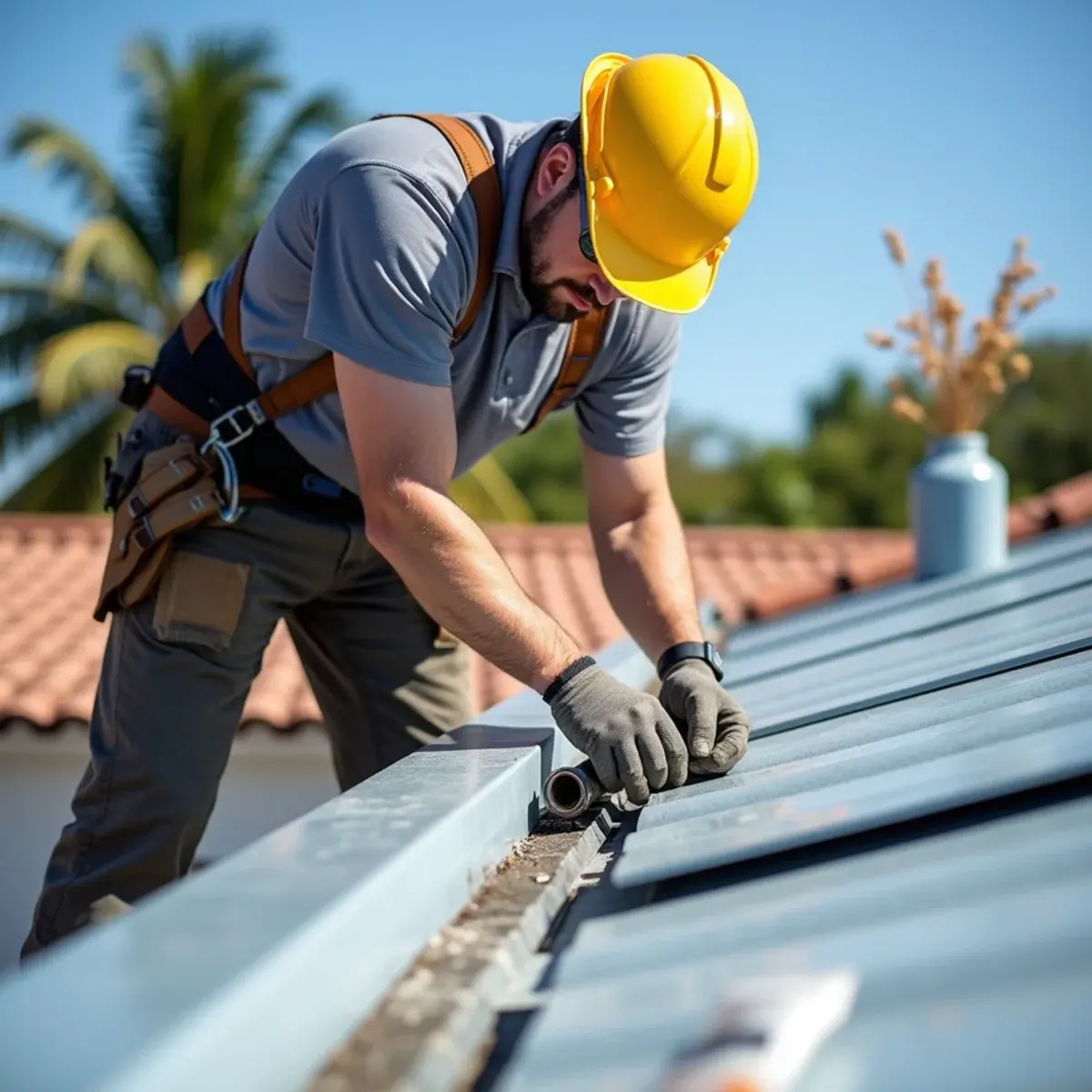
Repair, Recoat or Replace a Metal Roof
A metal roof often has years left after its first problems. The choice comes down to the panels themselves.
Repair
Fastener replacement, resealing, new boots and loose trim are standard repairs on a roof whose panels are sound.
Metal roof coating
On exposed-fastener roofs with surface rust or worn paint, a metal roof coating can add life. The roofer cleans the panels, treats the rust, replaces or seals fasteners, then applies a primer and an elastomeric coating. A coating cannot save metal that has rusted through.
Metal roof replacement
Replacement makes sense when panels have rusted through in many places, the underlayment beneath has failed, or the profile cannot be matched. On a metal roof, the 25% rule usually comes up when panels are swapped across a whole slope. If the roof went on under a 2007 Florida Building Code permit or later, a large panel repair only has to bring the repaired panels to current code; an older metal roof can be pushed to full replacement once repairs pass a quarter of the section in 12 months. Our guide to Florida's 25% roof rule explains more, and our roof replacement page compares materials.
What a Metal Roof Repair Includes, Step by Step
Most metal roof leaks in Boca Raton trace back to a few places: fasteners and their washers, sealant at laps and trim, and flashing around vents, skylights and walls. A careful repair visit runs in this order:
- Ask where and when. The roofer notes where water shows inside and whether it leaks in every rain or only in wind-driven rain from one direction.
- Check the fasteners. On exposed-fastener roofs they look for backed-out screws, cracked or hardened washers and screws driven too tight. On standing seam, they check that clips and seams are still locked.
- Check every seal. Lap sealant, butyl tape, foam closures at the ridge and eaves, and the sealant at trim and gutters.
- Check the flashing. Pipe boots, skylight and wall flashings and the ridge cap are the usual sources on otherwise sound panels.
- Look at the underlayment where it shows. At eaves, penetrations or a lifted panel, the roofer checks the high-temperature underlayment under the metal for damage or wet decking.
- Write the scope. You get photos and a written price that lists the parts, matched to the panel's metal, finish and gauge.
- Repair and document. Worn screws are replaced with the next size up where holes have wallowed out, seals are rebuilt with compatible sealant, and you get photos of the finished work.
Wind and attachment
Metal performs well in South Florida wind when it is attached the way its product approval specifies: clip type and spacing on standing seam, screw pattern on exposed-fastener panels, and closer spacing at edges and corners where uplift is highest. A repair should restore that pattern, not just add sealant. If a past repair left extra holes or missing clips, the roofer should point it out.
Can metal go over the existing roof?
Florida's reroofing rules generally don't allow a new covering over existing tile, and they limit recovering over other roofs, for example where two layers are already in place. Whether a metal retrofit over a single existing layer is allowed depends on the roof and the product approval, so your roofer confirms it with the building department before quoting it.
Switching From Tile to Metal: What HOAs and the Building Code Require
Many Boca Raton owners ask about metal when their tile roof comes due. It is lighter than tile, so the structure is rarely a concern, but approval is.
HOA rules
Most Boca Raton HOAs set the roof material, profile and color, and many were written when tile was the only choice. Some associations now allow metal in specific profiles, usually standing seam in approved colors, while others still require tile. Read your covenants and architectural guidelines, then apply before signing a contract.
Building code and permit
- A city roofing permit and inspections.
- Panels, clips and underlayment with Florida Product Approval, attached to resist the design wind loads for the site.
- Florida's reroofing rules for site-built homes generally call for deck renailing and a secondary water barrier; your roofer confirms what applies.
Boca Raton is outside the High-Velocity Hurricane Zone. In Parkland and Deerfield Beach, inside the Broward HVHZ, panels need a Miami-Dade NOA or HVHZ-approved Florida Product Approval and inspections are stricter.
If you are still deciding, compare tile roof replacement and our guide on repairing or replacing a tile roof.
What Affects Metal Roof Repair Cost
Metal roof repair cost depends on what has failed and how much of the roof it touches.
- Panel system. Standing seam repairs take more skill and time than exposed-fastener work.
- Metal type. Aluminum and steel panels, trim and fasteners are priced differently.
- Number of fasteners. Re-screwing a whole exposed-fastener roof is a large count of screws.
- Rust and coating. Rust treatment, primer and coating add material and labor.
- Flashing and penetrations. Each boot, curb, wall and valley adds work.
- Panel matching. Finding a matching profile and color can be the hardest part.
- Roof size, pitch and height. Steep or two-story roofs need more safety setup.
- Permits and HOA. Larger repairs and any replacement need a permit and often association approval.
The roofer we send gives you a written price before any work starts. Coastal homes in Delray Beach face the same salt-air factors, and our service areas page lists every city we cover.
Why Homeowners Call Us for Metal Roof Repair
Metal roofs are a smaller share of Boca Raton homes, and plenty of roofers only really know tile or shingle. We send roofers who work on metal.
- They know which panel you have. Standing seam and 5V crimp fail differently, and the roofer identifies the panel, metal and finish before ordering a single screw or trim piece.
- Sealant is not the whole repair. A leak at a fastener line gets new fasteners and washers, and a loose ridge gets its closures and fasteners redone, instead of another bead of caulk over the old one.
- Coastal conditions are part of the advice. Near A1A and the Intracoastal, the roofer looks for corrosion at cut edges and where dissimilar metals touch, and tells you whether a panel can be repaired or should be swapped.
- Every roofer we send is licensed and insured in Florida, and you get a written price before any work.
- Phones are answered 24/7. Call when you notice the first drip, not after the second season.
Keep it in shape
Have a metal roof looked at about once a year and after a stretch of heavy, wind-driven rain. Ask for the exposed fasteners to be checked every few years, since washers are usually the first thing to age out in this sun.
Metal Roof Repair questions in Boca Raton
How long does a metal roof last near the ocean?
A well-chosen metal roof can last for decades near the ocean, but the material matters. Aluminum panels with compatible stainless fasteners usually hold up best in salt air, while coated steel lasts longer inland. Fasteners, washers and sealant wear out much sooner than the panels, so periodic fastener and flashing checks are what keep a coastal metal roof going.
Can a rusted metal panel be repaired or must it be replaced?
Surface rust can usually be repaired. The roofer cleans it, treats it and seals or coats the panel. Rust that has eaten through the metal, or rust spread across many panels, generally means replacing those panels. On exposed-fastener roofs, single panels can often be swapped, while standing seam panels take more work to remove.
Do the screws on a metal roof need to be replaced?
On exposed-fastener roofs, yes, eventually. Screws back out as the metal expands and contracts, and the rubber washers under them dry and crack in the sun. Replacing them with new fasteners and washers, often a slightly larger screw where the old hole has widened, is a standard repair. Standing seam roofs use hidden clips instead.
What are the most common causes of metal roof leaks?
Worn fasteners and washers, failed sealant at laps and trim, and flashing around pipes, skylights, walls and the ridge cause most metal roof leaks. On standing seam roofs, loose clips or opened seams are another source. The panels themselves are rarely the problem unless they have rusted through or been dented and cracked.
How long does a metal roof repair take?
Replacing fasteners, resealing laps or rebuilding a flashing is often done in a day. Replacing panels takes longer when the matching panel, finish or trim has to be ordered. The roofer tells you after the inspection whether parts are in stock and how long the work itself will take.
How often should a metal roof be inspected?
About once a year, and after a stretch of heavy wind-driven rain. On exposed-fastener roofs, have the screws and washers checked every few years, because the washers dry out in South Florida sun. Homes close to the ocean benefit from a closer look at cut edges and trim for early corrosion.
Does homeowners insurance cover metal roof repair?
Only your insurer can answer that, based on your policy, what caused the problem and the exclusions that apply. Wear such as aged washers or old sealant is usually treated differently from sudden damage. We don't interpret policies; keep dated photos and the roofer's written findings if you plan to ask.
Will my HOA allow a metal roof in Boca Raton?
It depends on your association. Many Boca Raton HOAs set roof material, profile and color, and some still require tile, while others now allow metal, usually standing seam in approved colors. Check your covenants and architectural guidelines and apply to the review committee before signing a contract. The roofer can help with product details for the application.
Where we arrange metal roof repair
Boca Raton and West Boca, plus nearby cities in Palm Beach County and the Broward High-Velocity Hurricane Zone. See all service areas.
Also serving Boynton Beach and Coconut Creek.